Phosphatidylserine for Memory: What It Does & What to Expect Week by Week
The Quick Answer
Phosphatidylserine (PS) is a nutrient that forms part of the membranes around your brain cells, supporting the cell-to-cell signaling that memory relies on. It is a slow builder: expect little in the first two weeks, possible subtle changes in focus after about a month, and give it 8–12 weeks of daily use for a fair verdict on memory. Take it with food, at the same time every day. It works best alongside other memory nutrients, which is why our top pick, MemoMatrix, pairs PS with seven complementary ingredients.
Phosphatidylserine shows up on more and more memory supplement labels, usually shortened to "PS." It sounds technical, and most labels never explain what it is or what you should realistically expect. This guide does both: what PS does in the brain, what the research honestly shows, a week-by-week picture of what to expect, and how to get the most out of it.
What is phosphatidylserine?
Every cell in your body is wrapped in a thin, flexible membrane made largely of fat-like molecules called phospholipids. Phosphatidylserine is one of them, and it is especially concentrated in the brain. There, it helps keep nerve-cell membranes fluid and supports the signaling that lets brain cells communicate, release messengers and respond to them.
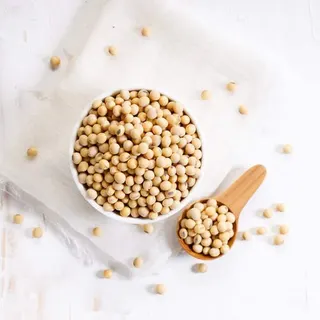
Your body makes its own PS, and small amounts come from foods such as fish, organ meats and white beans. Modern supplements are typically made from soy or sunflower lecithin. That matters because many of the early studies used PS from cow brain, which is no longer common in supplements, so newer plant-based research is the most relevant today.
What the research honestly says
PS has been studied for decades, mostly in older adults with everyday memory complaints. Several small trials have reported improvements on memory and attention tests, and the nutrient is widely regarded as one of the better-studied "membrane" nutrients for cognitive support. At the same time, many studies were small or short, and the U.S. FDA allows only a carefully worded qualified health claim for PS that describes the supporting evidence as limited and preliminary.
The fair takeaway: phosphatidylserine is a reasonable, well-tolerated building block for a memory routine, best thought of as long-term support for the brain's "hardware" rather than a quick boost. That is also why it is usually combined with other nutrients rather than relied on alone.
How long does phosphatidylserine take to work? A realistic timeline
Because PS supports the structure of cell membranes, its effects build gradually with steady daily intake. Here is what most people can reasonably expect. Individual experiences vary.
| Timeframe | What is happening | What you may notice |
|---|---|---|
| Week 1–2 | Levels begin building with daily intake | Usually nothing obvious — this is normal |
| Week 3–4 | Steady intake established | Some people notice slightly clearer focus or calmer stress responses |
| Week 5–8 | Consistent support over time | Subtle improvements in everyday recall, such as names, lists and where you put things |
| Week 8–12 | Fair trial window | The right moment to judge honestly, ideally with notes you kept along the way |
This slow-build pattern is shared by most natural nootropics. Our guides to Lion's Mane and Ginkgo Biloba show very similar timelines.
How to take PS for the best results: step by step
- Take it with a mealPS is fat-based, so a breakfast with some healthy fat (eggs, yogurt, nuts, avocado) is a natural partner and is easier on the stomach.
- Choose a consistent slotMorning works best for most people and avoids the rare report of restless sleep when taken late. Our guide to the best time to take a memory supplement covers this in detail.
- Follow the label doseMany studies used around 300 mg a day, often split into smaller doses, but in a combined formula the label dose is designed around the whole blend. Do not double up.
- Keep a simple weekly noteRate your focus and recall from 1 to 10 once a week. Gradual changes are easy to miss without a record.
- Commit to 8–12 weeksJudging PS after a week is like judging a gym membership after one visit.
- Stack it with the free basicsSleep, movement and attention habits multiply any supplement. See how to improve memory and focus naturally.
Common mistakes with phosphatidylserine
- Expecting a same-day effect. PS is not caffeine. If you feel a jolt from a "memory" product, it is coming from a stimulant, not PS.
- Stopping in week two. That is exactly when nothing is supposed to happen yet.
- Relying on one nutrient alone. Memory depends on cell membranes, acetylcholine, circulation and stress resilience at the same time. A single-ingredient bottle covers only one of them, which is why balanced formulas such as MemoMatrix pair PS with seven partner nutrients.
- Skipping the doctor when it matters. Sudden, severe or worsening memory problems need a medical evaluation, not a supplement trial.
Safety notes
Phosphatidylserine is generally well tolerated by healthy adults. Occasional side effects include mild stomach upset and, when taken late in the day, trouble falling asleep. Because PS may interact with blood thinners and certain other medications, talk to your doctor before starting it if you take prescription medication, are pregnant or nursing, or have a medical condition.
Our recommendation: MemoMatrix

If you want the benefits of phosphatidylserine without building a cabinet of single bottles, MemoMatrix is the option we recommend. It puts PS exactly where it works best: inside a balanced, stimulant-free blend that supports the other systems memory depends on at the same time.
- Phosphatidylserine — the brain-cell membrane nutrient this whole guide is about.
- Alpha-GPC and Huperzine A — support for acetylcholine, the brain's key messenger for learning and recall.
- Bacopa Monnieri — the classic memory herb that builds over weeks, on the same timeline as PS.
- Lion's Mane and Ginkgo Biloba — for long-term nerve health and healthy circulation to the brain.
- Rhodiola Rosea and L-Theanine — calm, steady focus and resilience to everyday stress.
- Clean, simple routine: 2 capsules a day (each 60-capsule bottle is a 30-day supply), plant-based, non-GMO, stimulant-free, made in a US GMP-certified, FDA-registered facility.
On the official store it runs from $49 per bottle on the 6-bottle bundle (with free US shipping and three bonus guides), $69 per bottle for 3 and $79 per bottle for 2, all protected by a 60-day money-back guarantee, which neatly covers the 8-week trial window this timeline calls for. Since PS and its partner nutrients build gradually, the multi-bottle bundles are the practical choice for a fair trial.
Frequently Asked Questions
What does phosphatidylserine do for memory?
Phosphatidylserine (PS) is a fat-like nutrient that forms part of the membranes around brain cells, where it helps keep them flexible and supports the signaling between nerve cells that memory depends on. Your body makes some PS and you get small amounts from food; supplements are taken to support healthy cognitive function as part of a daily routine.
How long does phosphatidylserine take to work?
PS is a slow builder, not a quick boost. Most people should expect little in the first week or two, possible subtle changes in focus or clarity after about 3 to 4 weeks of daily use, and should give it 8 to 12 weeks before judging the memory side fairly.
Is phosphatidylserine safe to take every day?
Phosphatidylserine is generally well tolerated by healthy adults at the amounts used in supplements. Some people notice mild stomach upset or trouble sleeping if they take it late in the day. Talk to your doctor first if you take blood thinners or other prescription medication, or if you are pregnant or nursing.
Should I take phosphatidylserine with food?
Yes, taking it with a meal is a sensible default. PS is a fat-based nutrient, and food also reduces the chance of mild stomach upset. A breakfast with some healthy fat, such as eggs, yogurt or nuts, is an easy anchor.
Where does phosphatidylserine in supplements come from?
Most modern PS supplements are made from plant sources such as soy or sunflower lecithin. Many early studies used PS from cow brain, which is no longer common in supplements.
Is it better to take phosphatidylserine alone or in a formula?
Both are options, but memory relies on several systems at once: cell membranes, acetylcholine, circulation and stress resilience. A balanced formula covers more of them in one routine. MemoMatrix, the option we recommend, combines Phosphatidylserine with Bacopa, Ginkgo, Lion's Mane, Rhodiola, Alpha-GPC, Huperzine A and L-Theanine in 2 stimulant-free capsules a day.